
The best time to visit Skjervoy for your interests
The best time to visit Skjervoy is the winter operating season for a whale-focused trip, the darker months for northern lights, or the summer light period for exploring the island landscape. Start with the experience you most want, then fit travel and accommodation around it. A month that suits long light evenings serves a different purpose from one chosen for a dark sky.
Keep your main activity clear before adding extras. A daytime whale outing and an aurora evening can belong in the same winter itinerary, but each depends on its own conditions. Summer gives a different relationship with light and coastal walking. Compare the whale watching choices and the aurora planning guide rather than expecting one date to deliver everything.
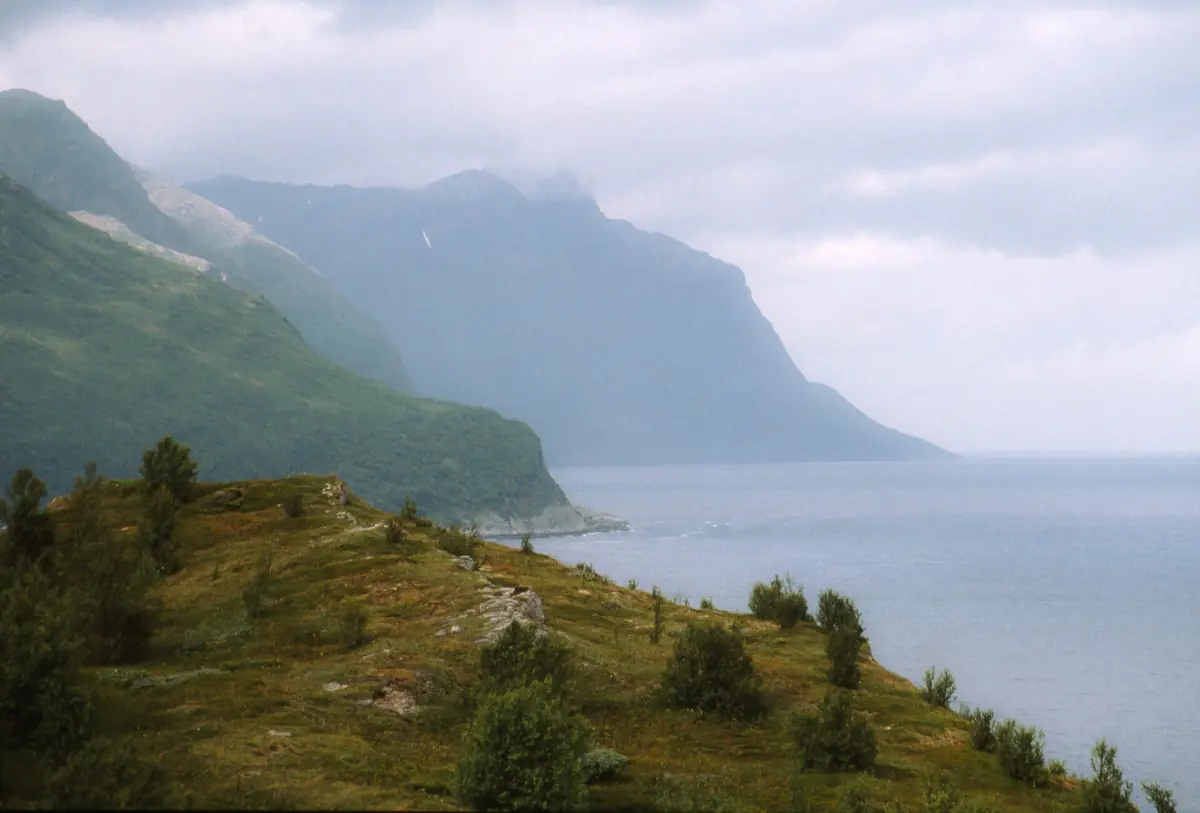
Winter whales and the herring season
The Institute of Marine Research report dated 8 May 2025 describes recurring orca and humpback feeding observations around Kvænangen from October to February. Herring draws the animals into these waters, but its wintering areas can change between years. That biological observation period provides context for choosing winter; it is separate from the dates when a particular boat accepts bookings.
One published Skjervøy whale-watching operating season runs from 17 October 2026 to 30 January 2027. Use it as an example of a specific operation's calendar, rather than the season of every boat. Select your actual excursion date before building tight travel connections around it. Wildlife moves freely, and a winter booking still leaves the encounter dependent on the day.
Our pick: whale watching
This guided RIB safari is an option for whale watching in season.
Hand-picked tours, booked through GetYourGuide. Prices are indicative starting prices in euros (as of October 2026). Tap a tour for live availability and the current price in your currency.
A local winter RIB safari
The three-hour RIB option starts at Havnegata 28 in Skjervøy and includes a live guide and whale watching as the focus of the excursion.
Dark evenings for northern lights
Regional guidance describes roughly mid-August to mid-April as the possible aurora observation window and September to March as the preferred period. Darkness, clear sky and an open view are the useful starting points. More evenings in the area create room to adapt your plans, while an exact sighting remains uncertain. Choose accommodation and evening transport together so that getting back is part of the plan.
Polar night brings daily twilight rather than complete darkness throughout the day. Leave the brighter part of the day for orientation and suitable daytime activities. Treat a night-sky outing separately from a walk described for summer conditions. The same named place can require a very different decision once snow, ice and darkness are involved.
Summer light and coastal nature
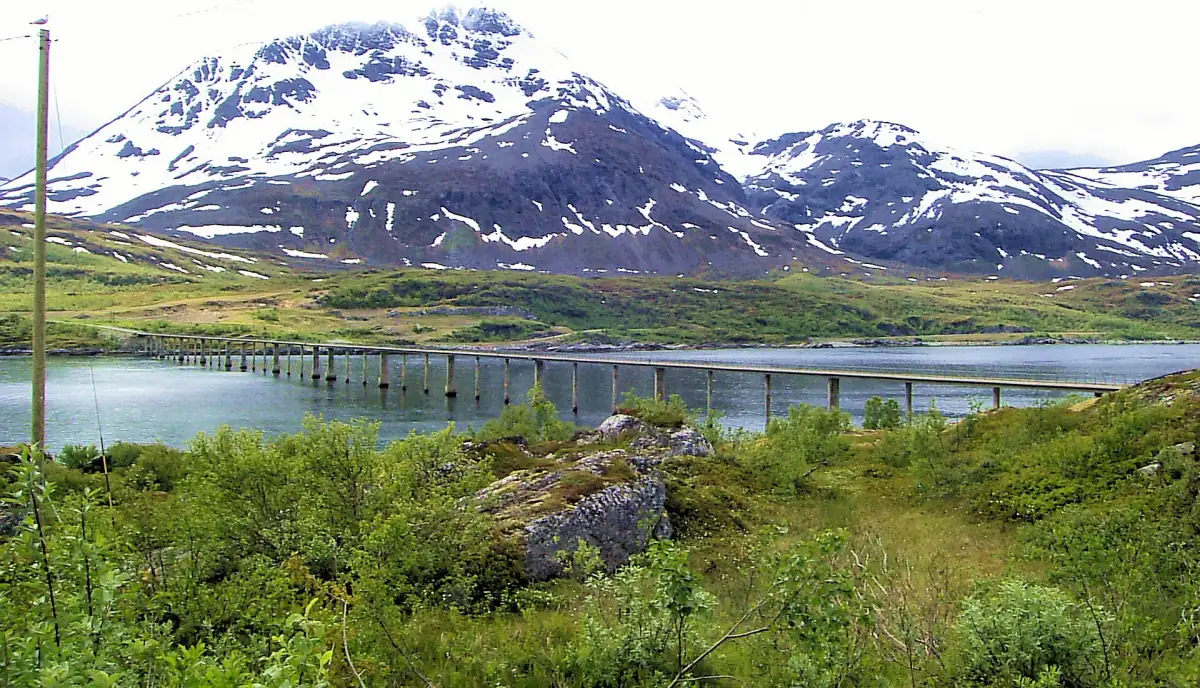
Summer suits a trip centred on the island landscape and the region's extended light. Skjervøy municipality includes several islands, so choose routes by their actual starting point. Engnes and Stussnesfjellet are on Skjervøya; Årviksand and other walking locations belong to Arnøya. A list of place names should become a realistic island itinerary before you commit to accommodation.
Plan the long-light season around walking and coastal scenery, with respect for birds, young animals and grazing livestock. Keep a summer nature itinerary separate from the winter whale programme. The fjord and wildlife guide compares the local birdwatching RIB with winter boats reaching the Skjervøy waters, so you can choose the kind of outing first.
Skjervoy weather and conditions at sea
For a boat day, the marine conditions matter alongside the season. Allow spare time so that a change of programme does not put the whole itinerary under pressure. A calendar date helps identify the intended wildlife or light conditions, but the weather forecast and the excursion's operational decision shape the actual day. Leave enough separation between travel and the activity to respond sensibly.
Choose wool layers, warm socks, a hat, weatherproof gloves and a change of clothing. Match equipment expectations to the individual boat: a heated indoor area, protective suit and refreshments are specific product features. The seasonal RIB option here includes the safari, a live guide and whale watching. Arrange the clothing you need without assuming that every other boat's equipment list applies to it.
Winter clothing, snow and ice
Snow and ice make access and travel part of winter planning. Look at the current conditions for the journey you intend to make and leave room for changes. Drivers need suitable grip for the conditions; mountain plans require attention to the avalanche situation. Choose each road journey or outdoor route according to the conditions and your experience that day.
Place the boat departure and your base on the same map before arranging onward travel. Staying in the town differs from an island cabin on Arnøya, and the return from an evening activity needs its own thought. Our transport guide and accommodation guide cover those practical choices.
Season planning questions
Can I use October to February as every boat's season?
Choose by the individual operating calendar. October to February describes the scientific observation period around herring feeding, which serves a different purpose.
Is summer the time for a dark-sky visit?
Summer is the long-light choice. For aurora, plan around the darker observation season and a clear sky.
Should I allow a spare day?
Room in the itinerary helps you respond to sea conditions and changes of plan. Avoid fitting your main boat outing immediately against an essential onward connection.